
 Image 1 of 3
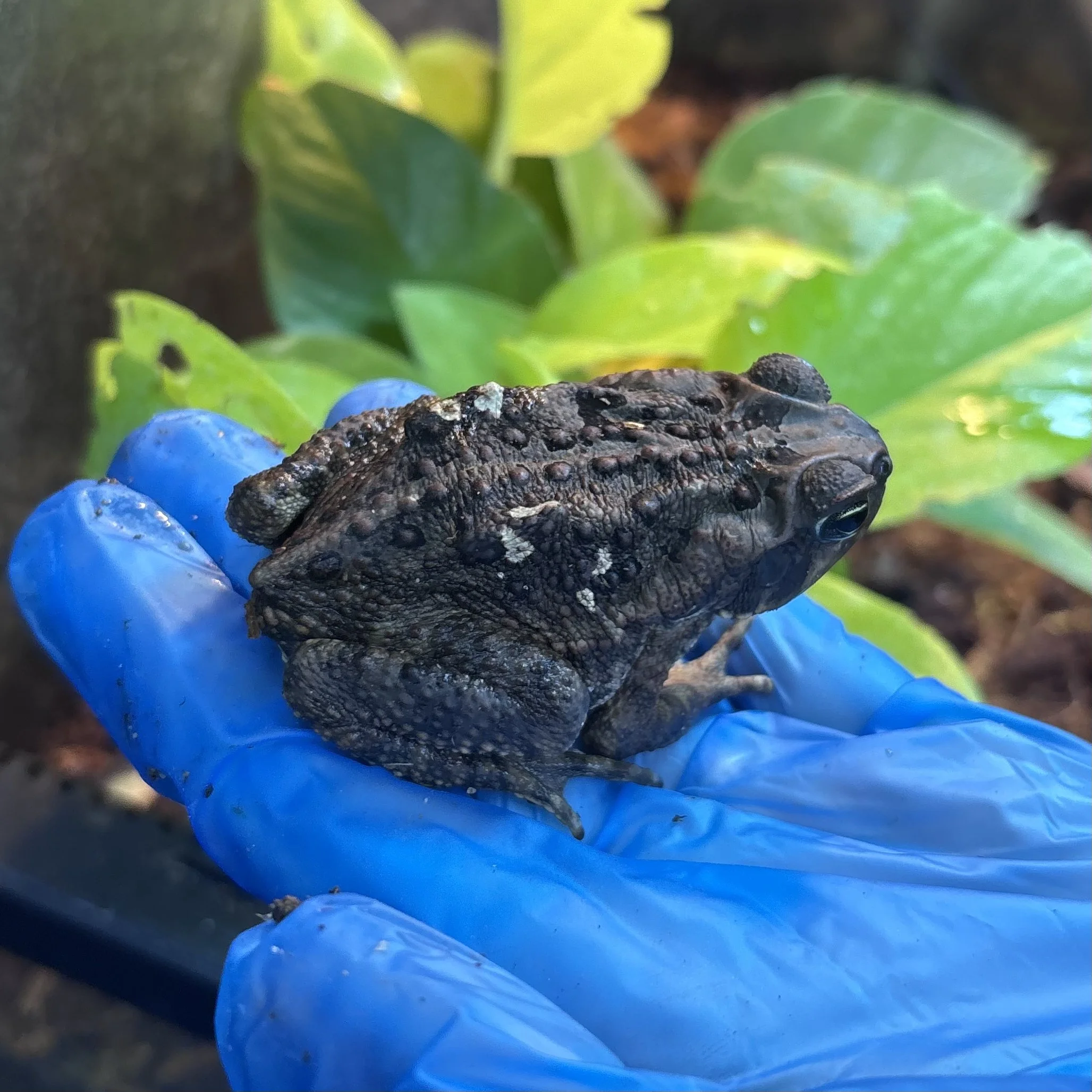 Image 2 of 3
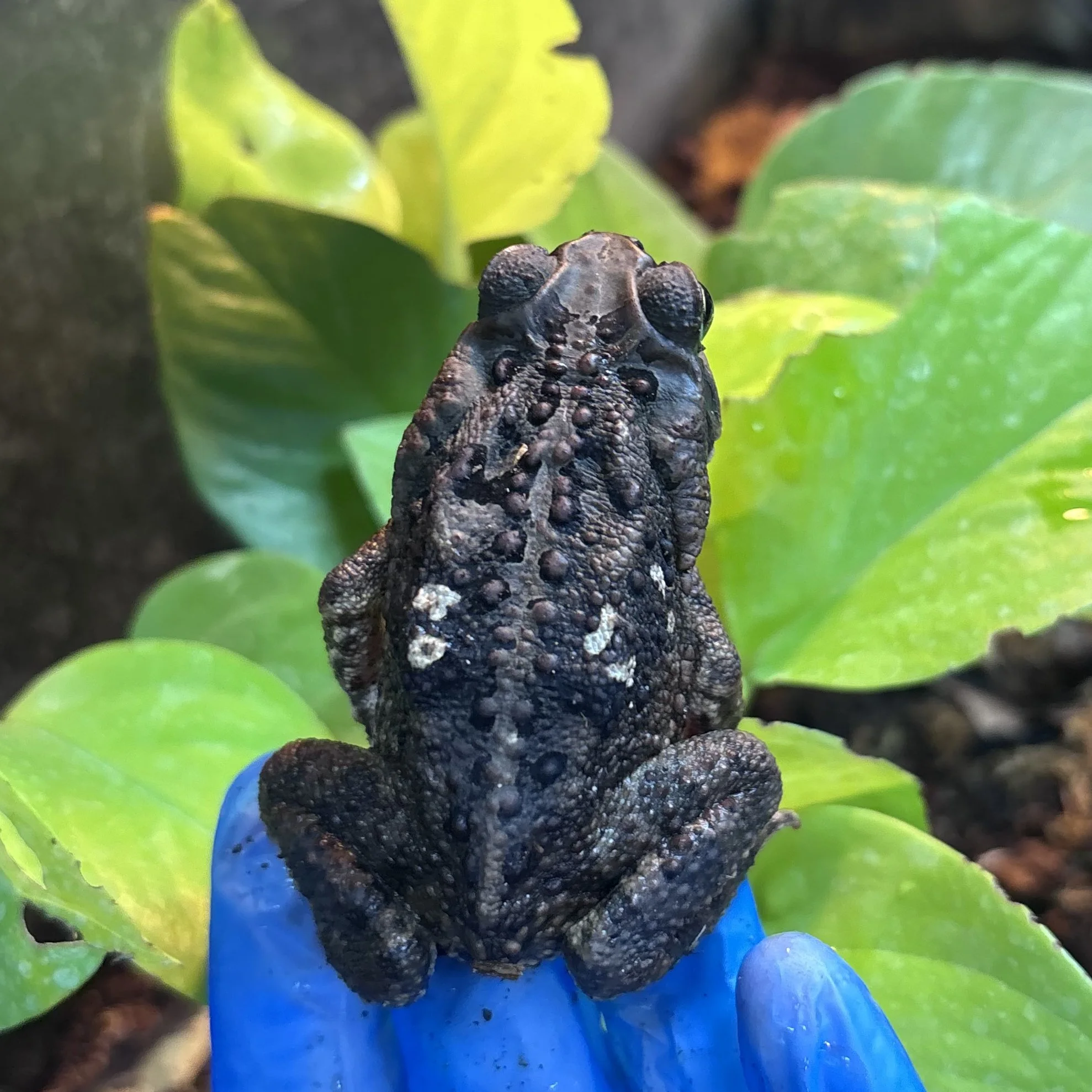 Image 3 of 3
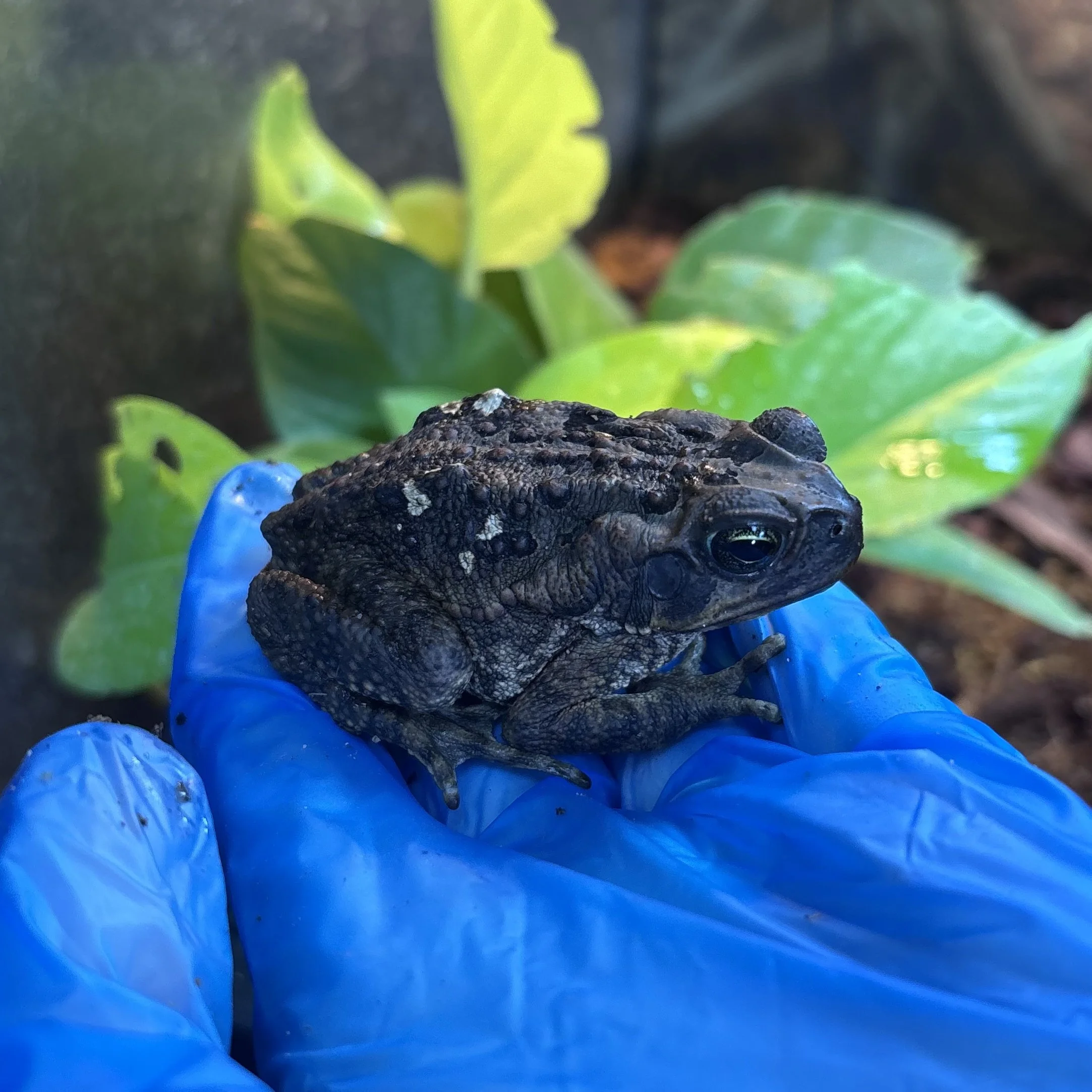
The Cane Toad (Rhinella marina) is a seriously impressive amphibian and one of the larger toad species commonly kept in captivity. They are hardy, fascinating animals with plenty of personality, becoming particularly active around the evening and overnight.
This individual is settled, feeding well and doing great in captivity. They benefit from a naturalistic terrestrial setup with plenty of floor space, appropriate humidity, secure hides and a shallow water source.
Cane toads are primarily a display and observation species rather than an animal for regular handling. They can be incredibly rewarding to keep and are particularly interesting to watch as they explore and hunt.
Common Name: Cane Toad
Scientific Name:Rhinella marina
Temperament: Generally calm and sedentary, but can be defensive if disturbed; best suited to observation rather than regular handling
Average Adult Size: 4–6+ inches, with females often considerably larger
Average Lifespan: 10–15+ years with good care
Photos Taken: 15.09.26
Enclosure:
Secure terrestrial enclosure with plenty of floor space, good ventilation and enough room for the toad to move naturally.
Temperature:
Daytime: 23–27°C
Night: Around 20–23°C
Humidity:
Moderate to high humidity, generally around 60–80%, with regular misting while still allowing the enclosure to dry slightly between sprays.
Hides & Décor:
Multiple hides, cork, plants, leaf litter and natural décor to provide cover and encourage natural behaviour.
Substrate:
A deep, moisture-retaining soil-based substrate that allows natural digging and burrowing behaviour.
Water:
A sturdy, shallow water dish large enough for soaking. Fresh, clean water should always be available.
Feeding:
Good appetite and fed a varied diet of appropriately sized livefoods including crickets, locusts, roaches and worms, with suitable calcium and vitamin supplementation.
Like other true toads, Cane Toads have parotoid glands behind the eyes which produce bufotoxins as a natural defence mechanism. If stressed or handled, they can release this toxin onto the skin.
This is another reason they are best kept as a look-but-don't-handle species. Avoid touching the animal unnecessarily, never allow secretions to come into contact with the eyes or mouth, and always wash your hands thoroughly after working with the animal or its enclosure. Keep them well away from children and other pets.
Hardy and fascinating species when correctly maintained
Primarily nocturnal, becoming more active in the evening
Excellent feeding response and interesting natural behaviours
Best suited to a naturalistic display setup rather than regular handling
Bufotoxins are a natural defence mechanism and should be treated with respect
Secure enclosure and good hygiene are essential
Photos and videos are available upon request.
Collection: Shop collection only at present. Courier options will be available soon — please call if you need something arranged sooner.
The Cane Toad (Rhinella marina) is a seriously impressive amphibian and one of the larger toad species commonly kept in captivity. They are hardy, fascinating animals with plenty of personality, becoming particularly active around the evening and overnight.
This individual is settled, feeding well and doing great in captivity. They benefit from a naturalistic terrestrial setup with plenty of floor space, appropriate humidity, secure hides and a shallow water source.
Cane toads are primarily a display and observation species rather than an animal for regular handling. They can be incredibly rewarding to keep and are particularly interesting to watch as they explore and hunt.
Common Name: Cane Toad
Scientific Name:Rhinella marina
Temperament: Generally calm and sedentary, but can be defensive if disturbed; best suited to observation rather than regular handling
Average Adult Size: 4–6+ inches, with females often considerably larger
Average Lifespan: 10–15+ years with good care
Photos Taken: 15.09.26
Enclosure:
Secure terrestrial enclosure with plenty of floor space, good ventilation and enough room for the toad to move naturally.
Temperature:
Daytime: 23–27°C
Night: Around 20–23°C
Humidity:
Moderate to high humidity, generally around 60–80%, with regular misting while still allowing the enclosure to dry slightly between sprays.
Hides & Décor:
Multiple hides, cork, plants, leaf litter and natural décor to provide cover and encourage natural behaviour.
Substrate:
A deep, moisture-retaining soil-based substrate that allows natural digging and burrowing behaviour.
Water:
A sturdy, shallow water dish large enough for soaking. Fresh, clean water should always be available.
Feeding:
Good appetite and fed a varied diet of appropriately sized livefoods including crickets, locusts, roaches and worms, with suitable calcium and vitamin supplementation.
Like other true toads, Cane Toads have parotoid glands behind the eyes which produce bufotoxins as a natural defence mechanism. If stressed or handled, they can release this toxin onto the skin.
This is another reason they are best kept as a look-but-don't-handle species. Avoid touching the animal unnecessarily, never allow secretions to come into contact with the eyes or mouth, and always wash your hands thoroughly after working with the animal or its enclosure. Keep them well away from children and other pets.
Hardy and fascinating species when correctly maintained
Primarily nocturnal, becoming more active in the evening
Excellent feeding response and interesting natural behaviours
Best suited to a naturalistic display setup rather than regular handling
Bufotoxins are a natural defence mechanism and should be treated with respect
Secure enclosure and good hygiene are essential
Photos and videos are available upon request.
Collection: Shop collection only at present. Courier options will be available soon — please call if you need something arranged sooner.