Best Diet & Safe Foods for Herbivorous Reptiles | Tortoises, Iguanas & More
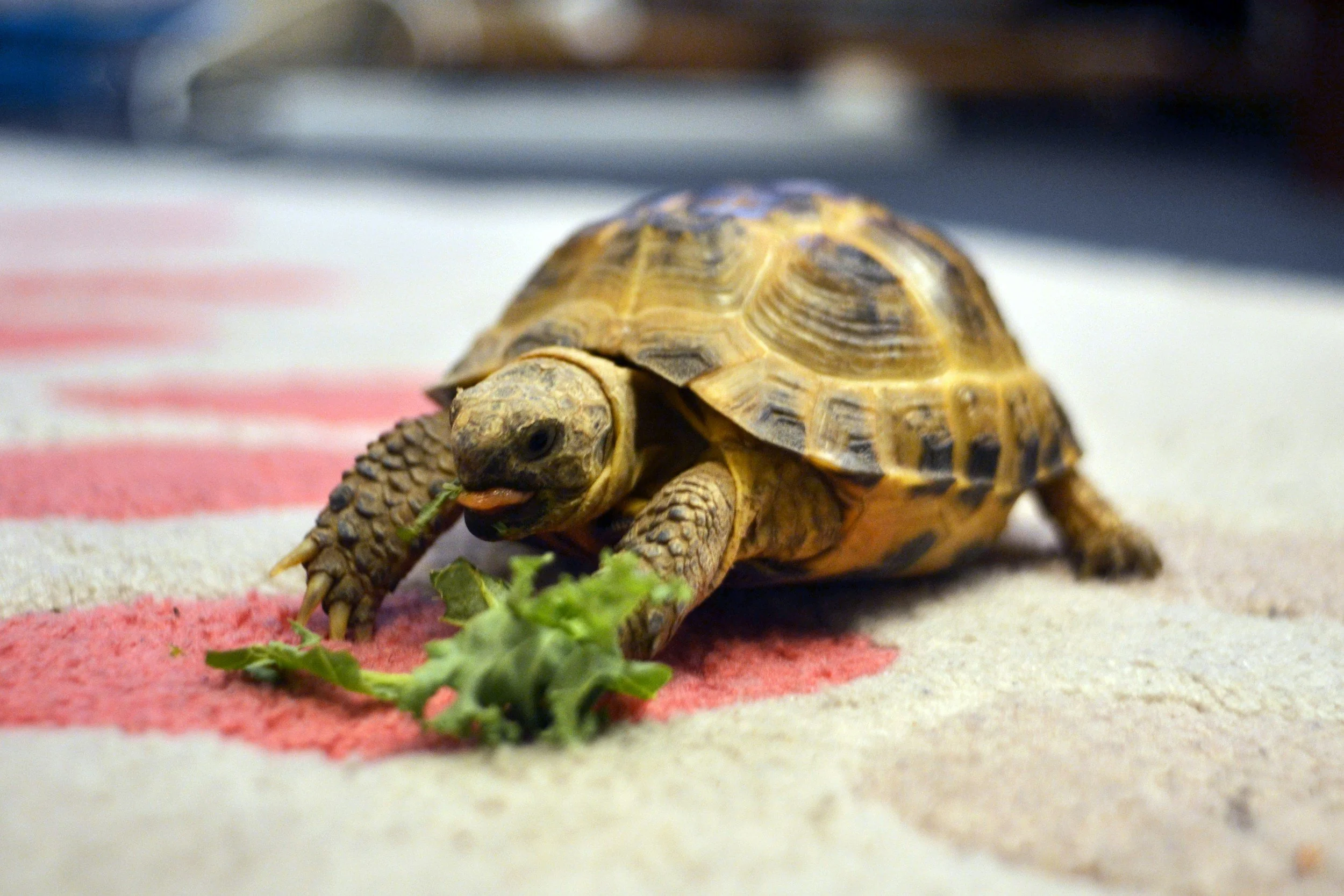
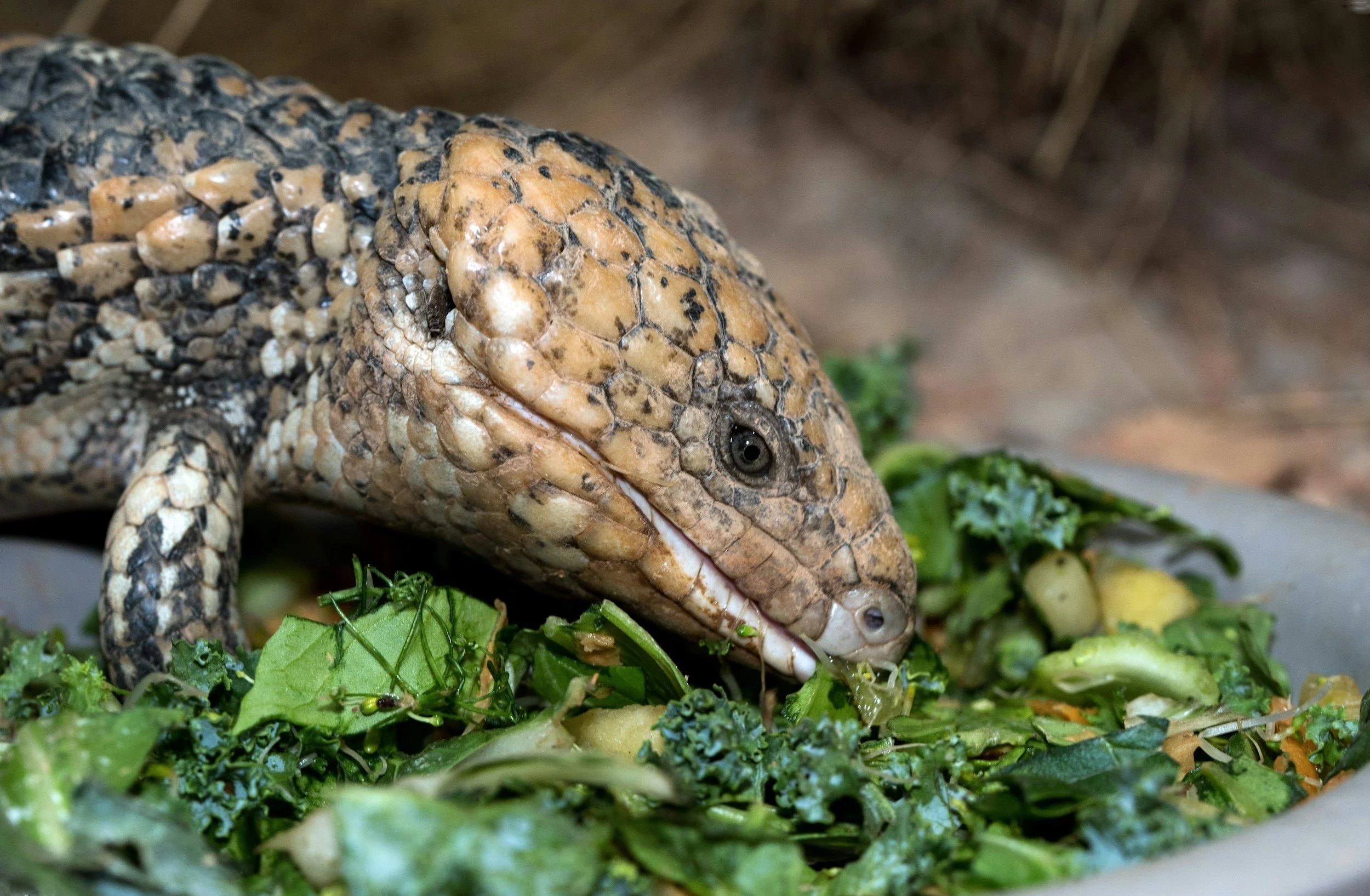
Providing the correct diet is one of the most important parts of keeping herbivorous reptiles healthy. Species such as tortoises, iguanas, and other plant-eating reptiles require a varied diet made up of fresh greens, weeds, vegetables, herbs and flowers.
A good rule to follow is that variety is key. No single food contains everything your reptile needs, so offering a mixture of different plants helps provide a better balance of vitamins, minerals and nutrients.
Fresh foods are always the best option. Where possible, safe, pesticide-free weeds and plants collected from suitable areas are an excellent addition to your reptile’s diet. Freshly grown plants often provide better nutrition and are much closer to what many herbivorous reptiles would naturally encounter in the wild.
Dry foods and pellets should not make up the main part of the diet. Many herbivorous reptiles are designed to consume moisture-rich vegetation, and relying heavily on processed foods can contribute to poor nutrition, dehydration and health problems if not used correctly. A properly varied fresh diet, combined with the correct supplementation for your species, is the best way to support long-term health.
Main Foods (offer regularly)
Try to offer a mixture of at least 3–5 different foods at each feeding.
Leafy Greens
Romaine lettuce
Spring greens
Watercress
Rocket
Endive
Mustard greens
Collard greens
Dandelion greens
Plantain
Chickweed
Vegetables
Pumpkin
Squash
Bell peppers
Grated carrot
Grated parsnip
Fresh Herbs
Coriander
Mint
Basil
Parsley
Flowers
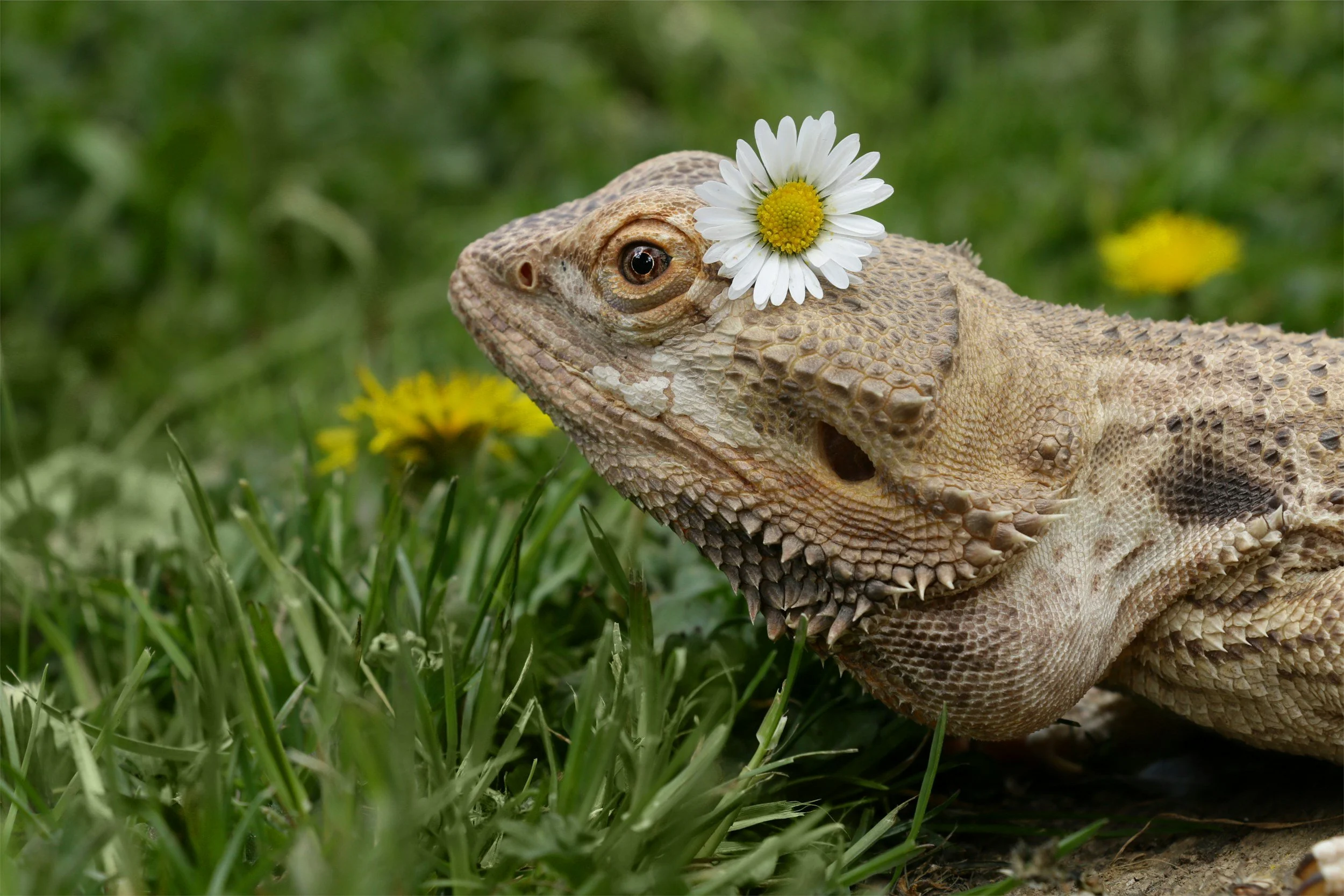
Flowers can be a great addition and many reptiles enjoy them. Always ensure they are chemical-free and safe before offering.
Dandelion flowers
Pansies
Hibiscus
Roses
Nasturtiums
Treat Foods (occasionally)
Fruit should only be offered as an occasional treat. Many herbivorous reptiles do not naturally consume large amounts of sugary foods, and too much fruit can lead to an unbalanced diet.
Apples (remove seeds)
Pears (remove seeds)
Blueberries
Strawberries
Blackberries
Mango
Guava
Papaya
Peaches
Melon
Banana (rarely)
Foods to Avoid
Always research any new food before feeding it to your reptile.
Avocado – toxic and unsafe
Grapes – avoid due to potential health risks
Rhubarb – toxic and unsafe
Iceberg lettuce – very low nutritional value
Large amounts of cucumber – mostly water with little nutritional benefit
Foods to Limit
Some foods can be offered occasionally but should not make up a large percentage of the diet.
Kale and spinach – contain oxalates which can bind calcium, so they are best offered sparingly and alongside a varied diet.
Safe Wild Foods and Weeds
Freshly collected weeds can be one of the best additions to a herbivorous reptile’s diet. They are natural, nutrient-rich and help provide the variety that captive reptiles often lack.
Common safe weeds include:
Dandelion
Plantain
Chickweed
Clover (in moderation)
Only collect plants from areas that have not been treated with pesticides, weed killers or contaminated by roads, dog walking areas or other pollutants.
Variety Is the Key to a Healthy Reptile
The healthiest diets are not built around one “perfect” food. They are created by offering a wide range of safe, fresh plants that provide different nutrients and keep feeding interesting.
By providing a varied diet that reflects the natural feeding habits of herbivorous reptiles, you give your animal the best chance to not only survive, but thrive.